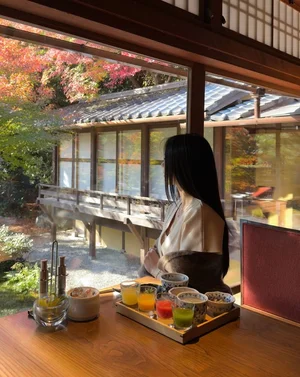
How To: A Fall Curated by Ralph Lauren as a Brand
Editorial Series | Aesthetic Study | How To: A Fall Curated by Ralph Lauren as a Brand
August 6, 2026 | Aesthetic Study Summer Editorial Series | Focus: "The greatest brand-builder in American history never sold clothes. He sold a world — and a way of belonging to it."
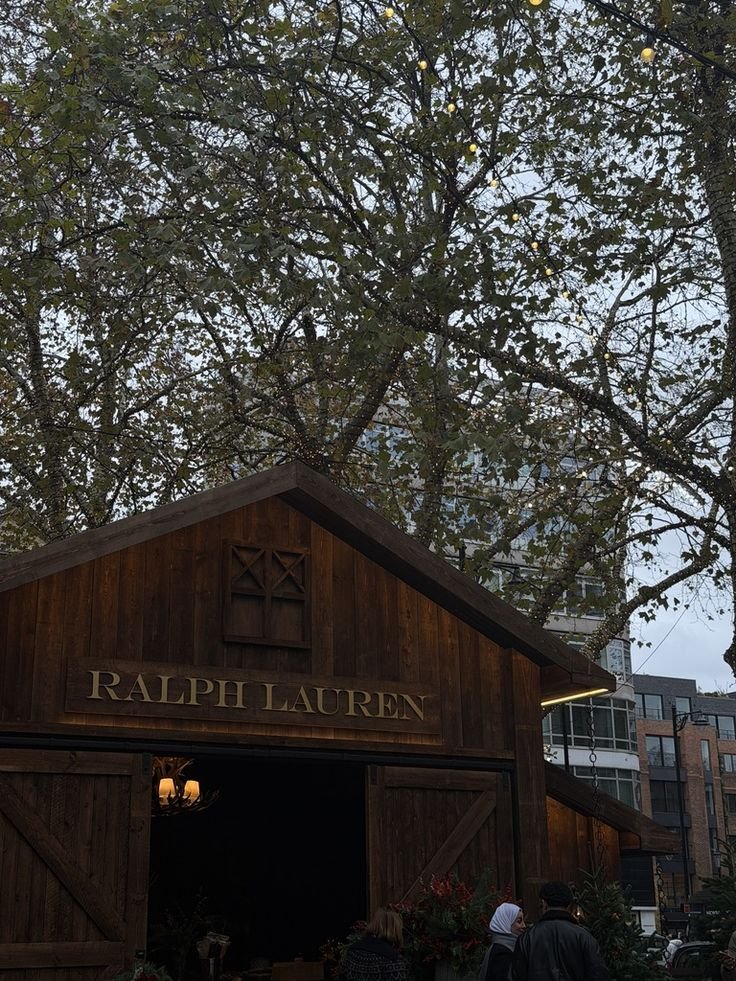
There is a particular quality of autumn light that the Ralph Lauren world has taught a century of people to recognize, and it does not actually exist anywhere in nature quite the way it exists in the imagination he built. It is late-afternoon gold falling across a horse paddock, a leather-bound library, a cable-knit sweater thrown over the shoulders of someone who has never once worried about money. It is heritage you can feel in your chest. And the most extraordinary thing about it — the thing that makes this an aesthetic study and not a shopping list — is that almost none of it was inherited. It was built, deliberately, by a man from the Bronx who understood something about longing that most of us never articulate.
So let me curate a Ralph Lauren fall with you — the textures, the palette, the mood — and then let me tell you what it teaches, because underneath the tweed is the single most important lesson in brand-building that exists, and it is not about clothing at all.
The curation
A Ralph Lauren fall is assembled from a specific and consistent vocabulary, and part of its power is exactly that consistency — the elements are limited, deliberate, and endlessly recombined, never diluted.
The palette is autumnal and earthbound: camel, cognac, oxblood, forest, cream, the deep navy of old money, the browns of saddle leather and aged whisky. Nothing neon, nothing that shouts, nothing that could not have existed in 1935. The colors are drawn from land, leather, and library — from the material world of an inherited estate rather than from anything digital or new.
The textures carry the whole feeling: cable knit and Shetland wool, tweed and herringbone, the patina of leather that has been used and loved, brass that has dulled to warmth, wood that has darkened with age. The Ralph Lauren world is obsessed with patina — with the beauty of things that have aged well — because patina signals time, and time signals heritage, and heritage is the actual product. Everything looks as though it has been there for generations, quietly excellent, never trying.
The mood is quiet aristocracy at rest. Riding boots by the door. A tartan blanket over a worn leather chair. Books that have been read. A fire. The sense of a life that is abundant without being ostentatious, refined without effort, wealthy in a way that does not need to announce itself because it has simply always been so. It is Sunday at a house that has been in the family for a hundred years — even if, and this is the point, no such house or family ever existed.
To curate your own fall in this spirit: choose few things and choose them for depth rather than novelty. Prize patina over polish, warmth over brightness, the well-worn over the new. Layer natural materials. Let the palette stay disciplined. And above all, aim for the feeling of continuity — of belonging to something older and larger than this season — because that feeling, not any individual object, is the entire aesthetic.
The lesson: he sold the world, not the shirt
Here is where the aesthetic becomes a masterclass, and it is worth studying with real attention, because Ralph Lauren is arguably the greatest brand-world-builder in commercial history and almost no one learns the actual lesson from him.
He did not sell clothing. He sold belonging to a world — an idea of American aristocracy, of old-money ease and inherited taste, so complete and so consistent that people did not buy a sweater, they bought a ticket into the world the sweater came from. The genius was never the garment. It was the universe around it: the imagery, the settings, the invented family estates, the entire coherent dream of a life, built with such consistency across decades that it became real in the only place that matters commercially, which is the imagination. You cannot buy your way into an aristocracy. But you can buy the cable-knit sweater, and for a moment feel the world it belongs to settle around your shoulders. That transfer — from object to world to feeling of belonging — is the whole business.
And the part that should stop every founder cold: the aristocracy was invented. Ralph Lauren did not come from the world he sold. He built it, from longing and imagination and relentless aesthetic discipline, and it became one of the most valuable brands on earth precisely because the world he constructed was more coherent, more complete, and more desirable than most of the real inherited worlds it evoked. This is not a story about faking it. It is a story about the fact that a brand is a world you build and invite people to belong to, and that world can be authored deliberately by someone who was not born into it, if it is built with enough coherence and conviction to become real in the collective imagination.
This is the lesson, and it is enormous: the strongest brands do not sell products, they sell worlds — coherent, complete, emotionally saturated universes that a customer wants to belong to, of which the product is merely the entry point. And that world does not have to be inherited. It can be authored, by anyone with the taste and the discipline to build it and the consistency to hold it long enough that it becomes real to everyone else. Ralph Lauren's fall is not really about autumn. It is proof that a person can build a world from nothing but longing and rigor, and sell belonging to it forever.
What this means for your own brand
If you are building anything — a brand, a business, a body of work — the Ralph Lauren study points at a specific and demanding question, and it is one most founders never ask because they are too busy selling the sweater.
Are you selling a product, or are you building a world? Do your customers buy a thing from you, or do they buy belonging to a coherent universe you have authored — a mood, a set of values, an aesthetic, a way of being that they want to be part of? The former is a transaction and competes on price and features, which is exhausting and fragile. The latter is a world, and worlds do not compete on price, because there is no substitute for belonging. The founder who builds a coherent world — held with Ralph Lauren's kind of relentless consistency, every touchpoint deepening the same dream rather than diluting it — builds something that cannot be reduced to its products and cannot be beaten on a spec sheet, because what they are actually selling is the feeling of belonging to something the customer wants to be part of.
That is taste as capital, in its most powerful form. And it is available to you, wherever you came from, if you build your world with enough coherence and hold it with enough conviction to make it real.
The bridge
Building a coherent brand world — and the disciplined, consistent aesthetic and positioning that makes it real — is the actual work beneath the mood. Finding the world your brand should build, and the position at its center, is what the Strategic Positioning Audit begins, and the 90-Day Brand Positioning Intensive builds into every surface. Explore the work at b0ld.ca, or think it through with founders building their own worlds in the community.
Closing reflection
A fall curated by Ralph Lauren is beautiful for the reasons all his work is beautiful — the discipline, the warmth, the patina, the palette drawn from land and leather and time. But its real beauty, for anyone building something, is what it proves: that a world can be authored, that belonging can be built, that a person from anywhere can construct a universe so coherent and so desirable that people spend their lives wanting to live inside it.
So as you assemble your own autumn — the camel coat, the worn leather, the disciplined palette, the feeling of continuity — hold the deeper question underneath the mood:
What world are you building — and is it coherent and desirable enough that someone would want to belong to it, not just buy from it?
Build the world. Hold it with discipline. And let people fall in love with belonging to it. That is the whole lesson of the man who sold an aristocracy he had to invent — and it is the most valuable thing brand-building has ever taught.
B0LD is a cultural intelligence agency disguised as a marketing firm. We help founders build worlds worth belonging to. Explore the work at b0ld.ca.
SEO keywords: Ralph Lauren aesthetic, Ralph Lauren fall, old money aesthetic, brand world building, aesthetic curation, quiet luxury fall, heritage brand aesthetic, taste as capital, how to build a brand world, fall aesthetic guide.